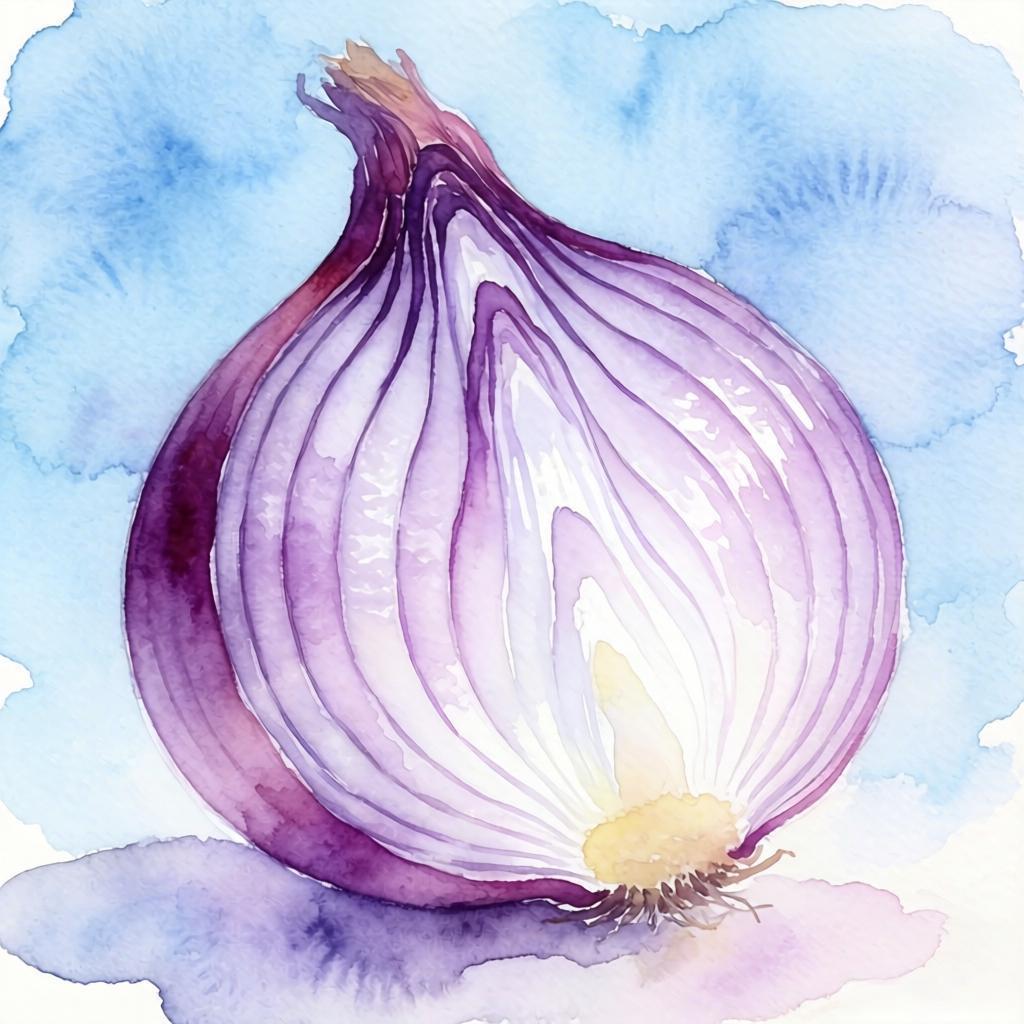

Onion is hailed as the "Queen of Vegetables," a title stemming from its rich nutritional value, unique medicinal properties, and profound historical and cultural significance.
从营养学角度看,洋葱虽外形朴素,却是一座“营养宝库”。它富含硫化物、槲皮素、前列腺素A等活性成分,同时含有维生素C、叶酸、钾及膳食纤维。这些物质赋予其抗氧化、抗炎、调节血脂等多重功效,尤其对心血管健康有益。
From a nutritional perspective, despite its humble appearance, the onion is a "treasure trove of nutrients." It is rich in active compounds such as sulfides, quercetin, and prostaglandin A, along with vitamin C, folate, potassium, and dietary fiber. These components provide it with multiple benefits, including antioxidant, anti-inflammatory, and lipid-regulating effects, particularly beneficial for cardiovascular health.
在食疗文化中,洋葱自古被用于防治疾病。中医认为其性温味辛,有发散风寒、温中通阳的作用;西方民间疗法亦常用洋葱缓解感冒、咳嗽。现代研究则证实,其含有的有机硫化合物能抑制癌细胞生长,槲皮素有助于减缓细胞氧化损伤。
In dietary therapy cultures, onions have been used since ancient times to prevent and treat ailments. Traditional Chinese Medicine considers onions warm and pungent, with properties that disperse wind-cold and warm the middle to promote yang; Western folk remedies also commonly use onions to alleviate colds and coughs. Modern research confirms that the organic sulfur compounds in onions can inhibit cancer cell growth, while quercetin helps reduce oxidative cell damage.
洋葱的全球性地位同样彰显其“皇后”之名。它起源于中亚或西亚,早在古埃及、希腊罗马时期便被广泛种植,既是日常食物,也被用于祭祀与医疗。如今,洋葱已成为世界范围内不可或缺的调味基底,从法式洋葱汤到印度咖喱,其风味融合力跨越文化界限。
The global status of onions also underscores its title as "Queen." Originating in Central or West Asia, onions were widely cultivated as early as ancient Egypt and Greco-Roman times, serving not only as a staple food but also in rituals and medicine. Today, onions have become an indispensable flavor base worldwide, from French onion soup to Indian curries, with their flavor-integration ability transcending cultural boundaries.
然而,“蔬菜皇后”之名更隐喻一种哲学启示:洋葱层层包裹的结构,恰如人性或真理的复杂性——需剥开表象,方见本真。它的辛辣催人泪下,却终以甘甜回馈耐心之人,这恰似生活本身的辩证:最质朴的事物往往蕴藏最深层的价值。
However, the title "Queen of Vegetables" also carries a philosophical revelation: the layered structure of an onion mirrors the complexity of human nature or truth—one must peel back the surface to reach the essence. Its pungency brings tears, yet ultimately rewards the patient with sweetness, akin to the dialectic of life itself: the most humble things often conceal the deepest value.
在当代健康饮食风潮中,洋葱的低热量、高纤维特性更契合现代人需求。但需注意,其刺激性可能不适合胃溃疡患者生食;烹饪虽会降低辣味,却也部分破坏热敏营养素。理性享用,方得平衡之道。
In the contemporary trend of healthy eating, the low-calorie, high-fiber nature of onions aligns well with modern needs. However, it should be noted that their irritant nature may not be suitable for raw consumption by those with gastric ulcers; while cooking reduces pungency, it also partially degrades heat-sensitive nutrients. Rational consumption is key to balance.
简言之,洋葱的“皇后”冠冕,由自然馈赠的营养、千年文明的积淀与人类餐桌的依赖共同铸成。它提醒我们:真正的高贵,往往藏于平凡之下,唯有理解与尊重,才能品尽其深意。
In short, the "queenly" crown of the onion is forged by nature's gifted nutrition, millennia of civilization, and humanity's culinary reliance. It reminds us: true nobility often lies beneath the ordinary, and only through understanding and respect can we fully appreciate its depth.
此文由 怡心湖 编辑,若您觉得有益,欢迎分享转发!:首页 > 会·生活 » 洋葱被誉为“蔬菜皇后”,这一美誉源于其丰富的营养价值、独特的食疗价值及深厚的历史文化内涵。