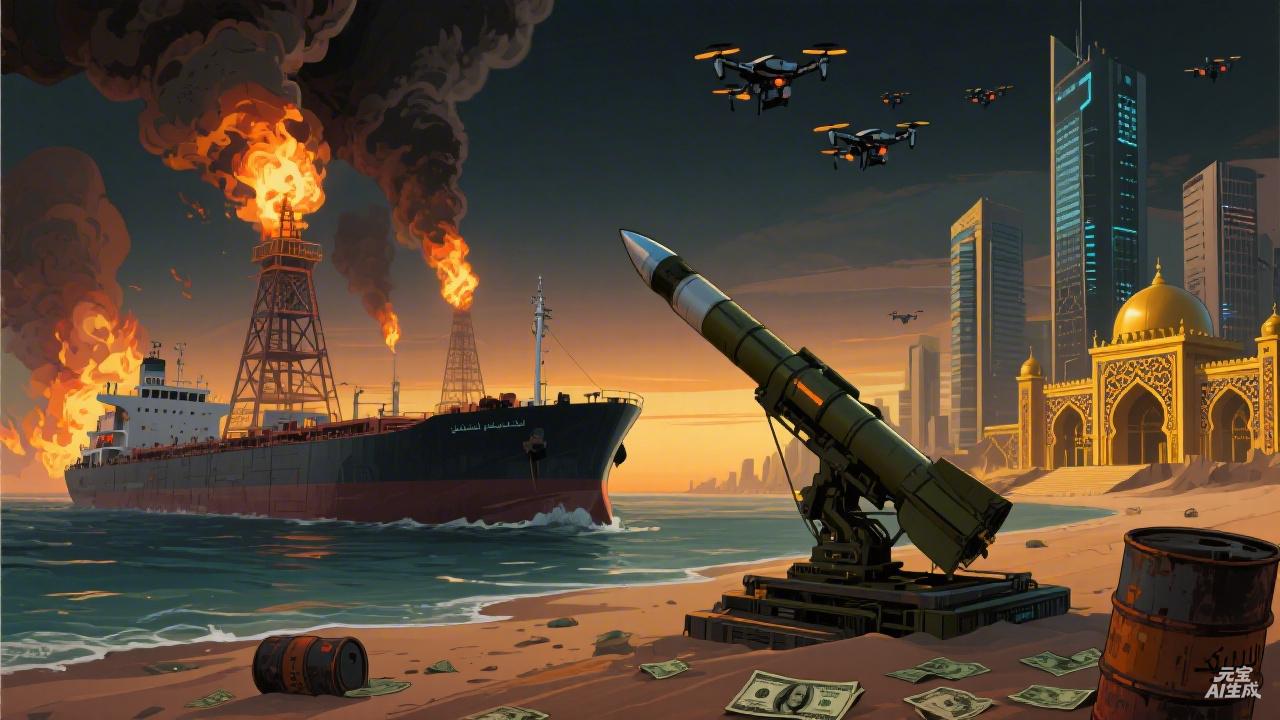
Between Petrodollars and Missile Range: The "Super Leverage" and Geopolitical Gambit of Gulf Islamic States

In the global geopolitical casino, the Gulf Islamic states are the ultimate high-stakes players. They sit atop the world’s largest hydrocarbon reserves, wielding the "oil weapon" that can send shockwaves through the global economy with a single production cut. Yet, they are also trapped in a neighborhood where the radius of a missile’s reach often dictates the boundaries of sovereignty. This is the story of nations that are simultaneously the bankers of the world and the frontline states of a regional cold war.
在全球地缘政治的赌场中,海湾伊斯兰国家是终极的高风险玩家。他们身下是全球最大的碳氢化合物储备,手握“石油武器”,一次简单的减产就能让全球经济震颤。然而,他们也深陷于一个导弹射程往往决定主权边界的街区。这是一群国家的故事,他们既是世界的银行家,也是一场区域冷战的前线国家。
The foundation of their power is a simple, brutal equation: energy equals influence. The Gulf Cooperation Council (GCC) states and Iran control nearly a third of global oil reserves and are pivotal to LNG markets. When Riyadh or Abu Dhabi speaks, energy traders from Houston to Shanghai listen. This isn’t just about wealth; it’s about controlling a fundamental input of modern civilization, giving them a veto over global growth.
他们权力的基石是一个简单而残酷的等式:能源等于影响力。海合会国家与伊朗控制了全球近三分之一的石油储量,也是液化天然气市场的关键。当利雅得或阿布扎比发声时,从休斯顿到上海的能源交易员都得侧耳倾听。这不仅仅是财富,而是控制了现代文明的基础投入品,这赋予了他们否决全球增长的权力。
This oil wealth has been monetized into a financial empire. GCC sovereign wealth funds (SWFs) now manage nearly $5 trillion in assets, accounting for a staggering 40% of global SWF deal flow. They are no longer passive rentiers but aggressive architects of the future, pouring billions into Silicon Valley AI startups, European infrastructure, and Asian tech. The "Petrodollar" has morphed into "Venture Capital Dollar," making the Gulf an indispensable node in global capital networks.
这些石油财富已被资本化为一个金融帝国。海合会主权财富基金目前管理着近5万亿美元的资产,占据了全球主权基金交易量的惊人份额。他们不再是消极的食利者,而是未来的积极构建者,将数百亿美元投入硅谷的人工智能初创企业、欧洲的基础设施和亚洲的科技领域。“石油美元”已蜕变为“风险投资美元”,使海湾成为全球资本网络不可或缺的节点。
But this financial utopia exists in a security dystopia. The Gulf is the epicenter of the Sunni-Shia divide, a stage for the proxy war between Saudi Arabia’s checkbook diplomacy and Iran’s "Axis of Resistance." Drones and missiles now fly where once only oil tankers sailed. The 2023 Sino-brokered détente between Riyadh and Tehran was a historic de-escalation, but the structural rivalry over regional hegemony remains the defining conflict of the Middle East.
但这个金融乌托邦存在于一个安全反乌托邦之中。海湾是逊尼派与什叶派分裂的震中,是沙特支票簿外交与伊朗“抵抗轴心”之间代理人战争的舞台。无人机和导弹如今在昔日只有油轮航行的区域穿梭。2023年由中方斡旋的沙伊和解是一次历史性的降温,但争夺区域霸权的结构性竞争仍是中东的决定性冲突。
The great geopolitical gamble is this: their security is outsourced. The GCC states rely on the U.S. security umbrella, yet their geography places them squarely in Iran’s line of fire. They are caught between an ally (the U.S.) whose commitment is increasingly questioned and a neighbor (Iran) whose capabilities are growing. This forces them into a delicate dance of publicly aligning with the West while privately engaging with Tehran to avoid annihilation.
巨大的地缘政治赌注在于:他们的安全是外包的。海合会国家依赖美国的安全保护伞,但他们的地理位置却使其直接暴露在伊朗的火力线上。他们夹在中间——一边是承诺日益受到质疑的盟友(美国),一边是能力不断增长的邻居(伊朗)。这迫使他们进行微妙的周旋:公开与西方结盟,私下又与德黑兰接触以避免灭顶之灾。
For China, this is not a distant drama but a core interest. As the world’s top oil importer, stability in the Gulf is paramount. The Belt and Road Initiative’s (BRI) maritime and overland corridors hinge on Gulf ports. China’s role as a mediator, exemplified by the Saudi-Iran deal, reflects a pragmatic shift from free-riding on U.S. security to actively shaping a multipolar order where energy flows are secured through diplomacy, not just deterrence.
对中国而言,这不是遥远的故事,而是核心利益。作为全球最大的石油进口国,海湾的稳定至关重要。“一带一路”的海陆通道枢纽都系于海湾港口。中国作为调解人的角色(如沙伊复交)标志着一个务实的转变:从搭美国安全便车,转向积极塑造一个多极秩序,在这个秩序中,能源流动通过外交而不仅仅是威慑来保障。
The ultimate irony is their fragility. For all their financial muscle, they are vulnerable to a single well-aimed strike on an oil facility or a blockade of the Strait of Hormuz. Their wealth is concentrated in assets that can be frozen or destroyed, while their populations are small, and their political systems are often brittle. They are "soft power" giants with "hard power" anxieties.
最终的讽刺在于他们的脆弱性。尽管财力雄厚,他们却极易因一次针对石油设施的精准打击或霍尔木兹海峡的封锁而受创。他们的财富集中在可能被冻结或摧毁的资产上,而人口规模小,政治体制往往脆弱。他们是充满“硬实力”焦虑的“软实力”巨人。
The future of the Gulf will be written in the tension between their global ambitions and their regional insecurities. As they pivot to Asia and diversify their partnerships, they are trying to buy time to transform their economies before the oil era fades. They are betting that their money can build a future that their missiles cannot defend alone. It is the highest-stakes gamble on the planet.
海湾的未来将书写在其全球野心与区域不安全的张力之中。随着他们转向亚洲并多元化其伙伴关系,他们正试图在石油时代消逝之前,争取时间完成经济转型。他们在赌,他们的金钱能够构建一个单靠导弹无法保卫的未来。这是地球上赌注最高的一场博弈。
此文由 怡心湖 编辑,若您觉得有益,欢迎分享转发!:首页 > 观·世界 » 石油美元与导弹射程之间:海湾伊斯兰国家的“超级杠杆”与地缘赌局