竞合与再接触:中欧经贸沟通机制化与新阶段前景研判
Co-opetition and Re-engagement: Institutionalization of China-EU Economic & Trade Dialogue and Prospects for a New Phase
一、格局重构:从"去风险"叙事到有限再接触
I. Structural Reset: From "De-risking" Discourse to Qualified Re-engagement
2024—2026年间,欧盟将中国定义为"伙伴、竞争者、制度性对手"的三重定位趋于固化。但在美国新一届政府重启保护主义关税、全球供应链碎片化压力下,欧盟内部理性务实派推动对华政策经历"成本—收益再校准"——在坚持《经济安全战略》与"去风险"底线的同时,重启并升级制度化经贸对话。
标志性进展是2026年6月中欧贸易投资磋商机制(Trade & Investment Consultation Mechanism, TIC)首次会议在布鲁塞尔召开,双方发表联合声明,下设贸易与投资平衡、出口管制、知识产权、WTO改革四大工作板块,并建立联合贸易流监测机制与四个专项工作组,约定每年举行1—2次部长级会晤,中方已邀请欧方2026年秋季来华举行第二次例会。
Since 2024–2026, the EU's tripartite framing of China as "partner, competitor, and systemic rival" has hardened. Yet facing renewed U.S. protectionism and supply-chain fragmentation, pragmatic voices within EU member states have pushed for a cost–benefit recalibration—maintaining "de-risiting" guardrails while reactivating institutionalized economic dialogue. The landmark event was the inaugural China-EU Trade & Investment Consultation Mechanism (TIC) meeting in Brussels (June 2026), producing a joint statement, establishing four working groups (trade/investment balance; export controls; IPR; WTO reform), a joint trade-flow monitoring arrangement, and committing to annual/biennial ministerial meetings, with the second session scheduled for autumn 2026 in Beijing.
二、现实张力:摩擦常态化与依存底色并存
II. Prevailing Tensions: Normalized Friction vs. Enduring Interdependence
-
贸易失衡与防御工具:2025年欧盟对华货物贸易逆差约3058亿欧元(2024年),部分成员国将此与产业外迁叙事捆绑,推动EV反补贴税(最高38.1%)、《外国补贴条例》(FSR)、《关键原材料法案》等限制性工具运用。
-
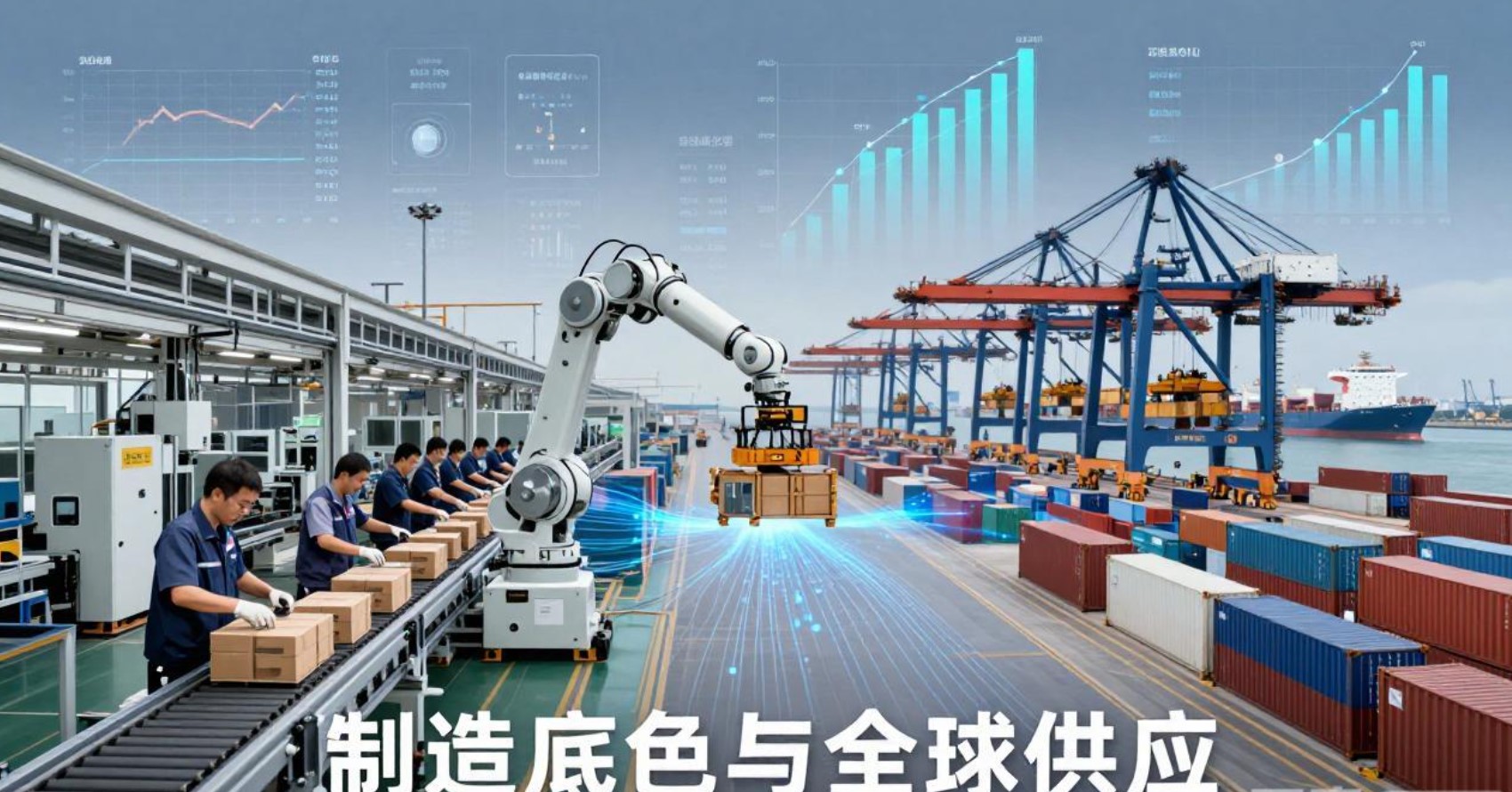
绿色与数字链锁:欧盟2030年减碳55%(Fit for 55)目标高度依赖中国光伏、风电、电池供应链;德系车企约1/3销量来自中国,难以承受全面脱钩代价。
-
内部分化:德、西(西班牙)、法等国对华诉求差异明显——德国工商业界力主稳定供应链与市场准入;法国更关注规则对称性与敏感行业审查;中东欧及北欧偏安全化叙事。
Trade Imbalance & Defensive Instruments: The EU's goods trade deficit with China stood at approx. €305.8 bn in 2024, politicized in parts of Europe and used to justify defensive tools—anti-subsidy duties on EVs (up to 38.1%), the Foreign Subsidies Regulation (FSR), and the Critical Raw Materials Act.
Green & Digital Supply-Chain Lock-in: The EU's Fit-for-55 (-55% GHG by 2030) agenda heavily relies on Chinese solar, wind, and battery supply chains; German automakers derive ~one-third of global sales from China, making full decoupling prohibitively costly.
Internal EU Divergence: Germany's industry lobby pushes for stable market access; France emphasizes reciprocal rules and screening of sensitive sectors; CEE/Nordic states lean toward securitized framing.
三、前景趋势:三大演化方向
III. Forward-Looking Trends: Three Evolutionary Trajectories
|
# |
趋势 Trend |
核心判断 Core Judgment |
|---|---|---|
|
① |
机制化管控分歧 |
TIC机制将成中欧经贸"减震器"——联合监测减少单方数据误判,四大板块使摩擦在规则框架内磋商而非单边突袭,但敏感行业(EV、关键原材料、5G/6G)仍存局部升级风险 |
|
② |
选择性竞合并存 |
绿色转型(碳市场互认试点)、AI伦理与数字治理、中医药/医疗健康、第三方市场(Global South基建)为增量合作带;高端芯片、量子、部分军民两用技术继续受出口管制约束 |
|
③ |
贸易向上平衡导向 |
欧方压力从"压缩自华进口"部分转向"扩大对华服务/高端装备出口+中国扩大自欧进口",进博会、服贸会、暂定税率、标准互认试点等工具箱被激活以缓解政治化逆差叙事 |
四、战略含义与建议
IV. Strategic Implications & Recommendations
对政策制定者与跨国经营者而言,中欧经贸已进入"低信任、高制度化、局部可预期"的新常态:
-
企业侧:合规前置——针对FSR申报、ESG/CBAM披露、产品合规(CE/RoHS/REACH)做全链条预案;深耕德/西/荷等务实市场,以本地化投资(工厂、研发中心)换取监管善意。
-
政策侧:利用TIC机制推动"可验证合作"(进口便利化、联合科研项目),以具体成果对冲泛安全化叙事;在关键原材料上探讨"供应稳定合作倡议",减少断供互疑。
-
预期管理:放弃关系"重置"幻想,追求"可控稳定"——不升级为全面贸易战、维持高层沟通渠道畅通、在绿色/多边主义议题保有协作空间即为阶段性成功。
For policymakers and MNCs, China-EU economic ties have entered a "low-trust, highly institutionalized, partially predictable" new normal:
Corporate: Front-load compliance (FSR filing, CBAM disclosure, CE/RoHS/REACH); localize investment (plants, R&D centers) in pragmatic member states (DE/ES/NL) to build regulatory goodwill.
Policy: Leverage the TIC to advance "verifiable cooperation" (import facilitation, joint R&D) and explore a "Stable Supply Cooperation Initiative" on critical raw materials to reduce mutual suspicion of cutoffs.
Expectation Management: Abandon hopes of a full "reset"; aim for "controlled stability"—no all-out trade war, maintained high-level channels, and preserved collaboration space on green transition & multilateralism as a qualified success.
五、结语
V. Conclusion
中欧经贸沟通不会回归2010年代的无摩擦黄金期,但2026年TIC机制的落地标志着双方承认"完全脱钩不可行、无序对抗代价过高"。未来十年,中欧关系将围绕"规则内化—竞争边界化—合作节点化"展开拉锯,而常态化对话本身就是不确定世界中难得的确定性锚点。
China-EU economic dialogue will not revert to the frictionless 2000s–early 2010s, but the 2026 launch of the TIC mechanism signals mutual recognition that "full decoupling is infeasible and uncontrolled confrontation too costly." Over the next decade, the relationship will oscillate around the triad of "internalizing rules—boundarizing competition—nodularizing cooperation." That institutionalized dialogue itself becomes a rare anchor of certainty in an uncertain world.
此文由 怡心湖 编辑,若您觉得有益,欢迎分享转发!:首页 > 观·世界 » 竞合与再接触:中欧经贸沟通机制化与新阶段前景研判