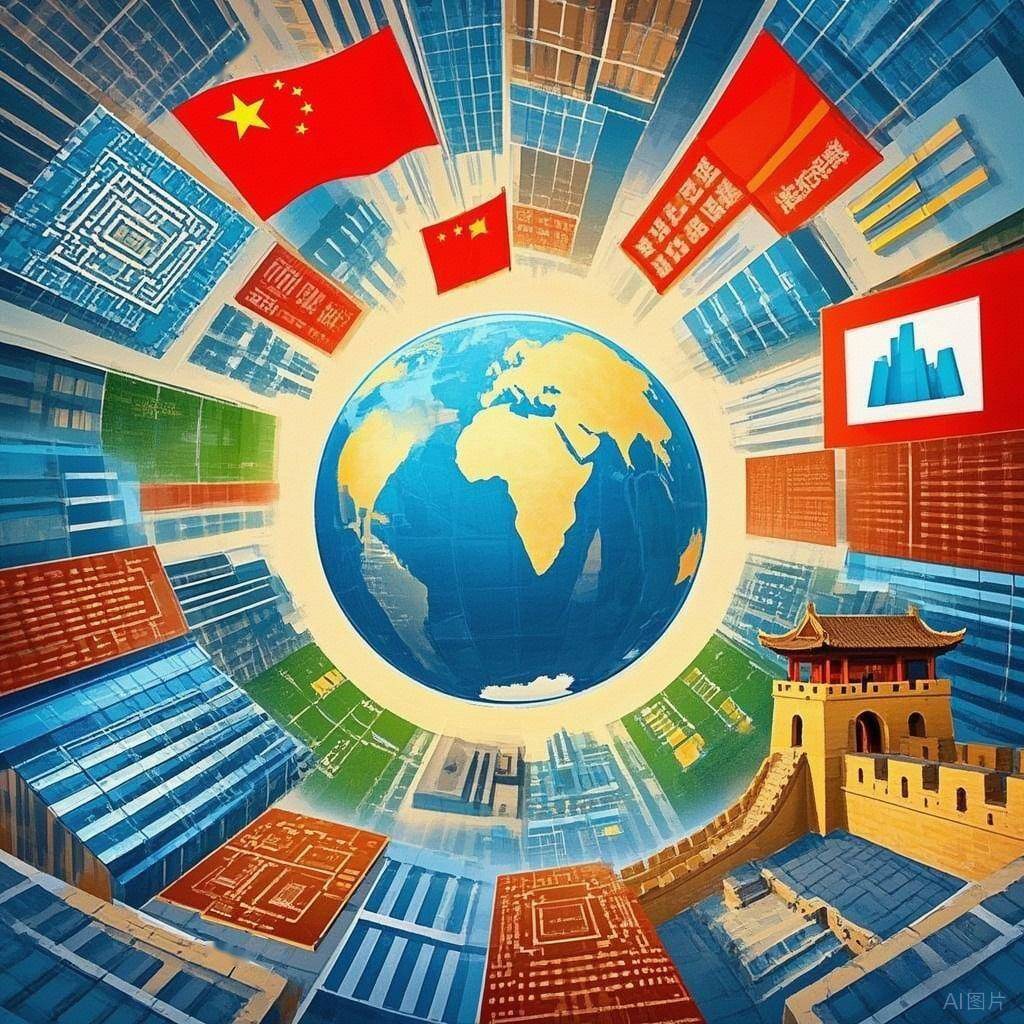
The Path Forward for Global Transformation: Towards a New Paradigm of Inclusivity, Resilience, and Sustainability
The tide of globalization stands at a critical juncture. While it has fueled decades of economic growth and interconnectedness, its discontents—rising inequality, geopolitical fragmentation, and ecological crises—demand a fundamental reimagining. The way forward lies not in retreating behind national borders, but in forging a more inclusive, resilient, and sustainable model of global cooperation.
First, economic globalization must prioritize equitable distribution. This requires reforming international trade and investment rules to ensure developing nations have fair access to technology and supply chains. Initiatives like the Belt and Road, when implemented with transparency and mutual benefit, can foster infrastructure-driven growth while avoiding debt traps.
Second, digital sovereignty and cooperation must coexist. As AI and data redefine power dynamics, a global framework for digital governance—balancing innovation, security, and ethical standards—is essential. Rather than decoupling, major powers should establish "rules of the road" to prevent fragmentation of the internet and technology ecosystems.
Third, climate action is the ultimate test of global solidarity. The transition to green energy must be accelerated through technology transfer and green financing, particularly to vulnerable regions. This is not merely an environmental imperative but an opportunity to create new industries and jobs worldwide.
Finally, multilateral institutions need revitalization. By empowering organizations like the UN and WTO with updated mandates and inclusive decision-making, the international community can better address transnational challenges, from pandemics to financial instability.
In this new era, globalization’s success will be measured not by the volume of goods traded, but by its ability to uplift human dignity, protect planetary health, and bridge divides. It is a collective journey—one that calls for wisdom beyond short-term interests, and courage to build a shared future.
全球化变革的出路:构建包容、韧性与可持续的新秩序
全球化浪潮正处在关键转折点。数十年来,它推动了经济增长与互联互通,但其衍生的矛盾——不平等加剧、地缘政治裂痕、生态危机等——亟待我们从根本上重塑其路径。未来的出路并非退守孤立主义,而是构建一个 更具包容性、韧性与可持续性的全球合作新范式。
首先,经济全球化必须聚焦 普惠共赢。这意味着改革国际贸易与投资规则,确保发展中国家公平获得技术与产业链参与权。以“一带一路”倡议为例,若坚持透明互利原则,便能以基础设施建设驱动增长,同时规避债务陷阱。
其次, 数字主权与合作需协同共存。在人工智能与数据重塑权力格局的今天,建立全球数字治理框架至关重要,需平衡创新、安全与伦理。大国之间应避免脱钩,共同制定“数字交通规则”,防止互联网与科技生态分裂。
再者, 气候行动是全球团结的终极试金石。通过技术转移与绿色金融加速向清洁能源转型,尤其是在脆弱地区。这不仅关乎生存,更是创造全球新产业与就业的历史机遇。
最后, 多边机制亟待激活与革新。通过赋予联合国、世贸组织等机构更新的使命与包容的决策权,国际社会方能更有效应对从公共卫生到金融稳定的跨国挑战。
在这个新时代,全球化的成败将不再以贸易量衡量,而取决于其能否提升人类尊严、守护地球健康、弥合文明鸿沟。这是一段需要超越短期利益的智慧、承载共同未来的勇气的集体征程。
此文由 怡心湖 编辑,若您觉得有益,欢迎分享转发!:首页 > 观·世界 » 全球化变革的出路:迈向包容性、韧性与可持续的新范式