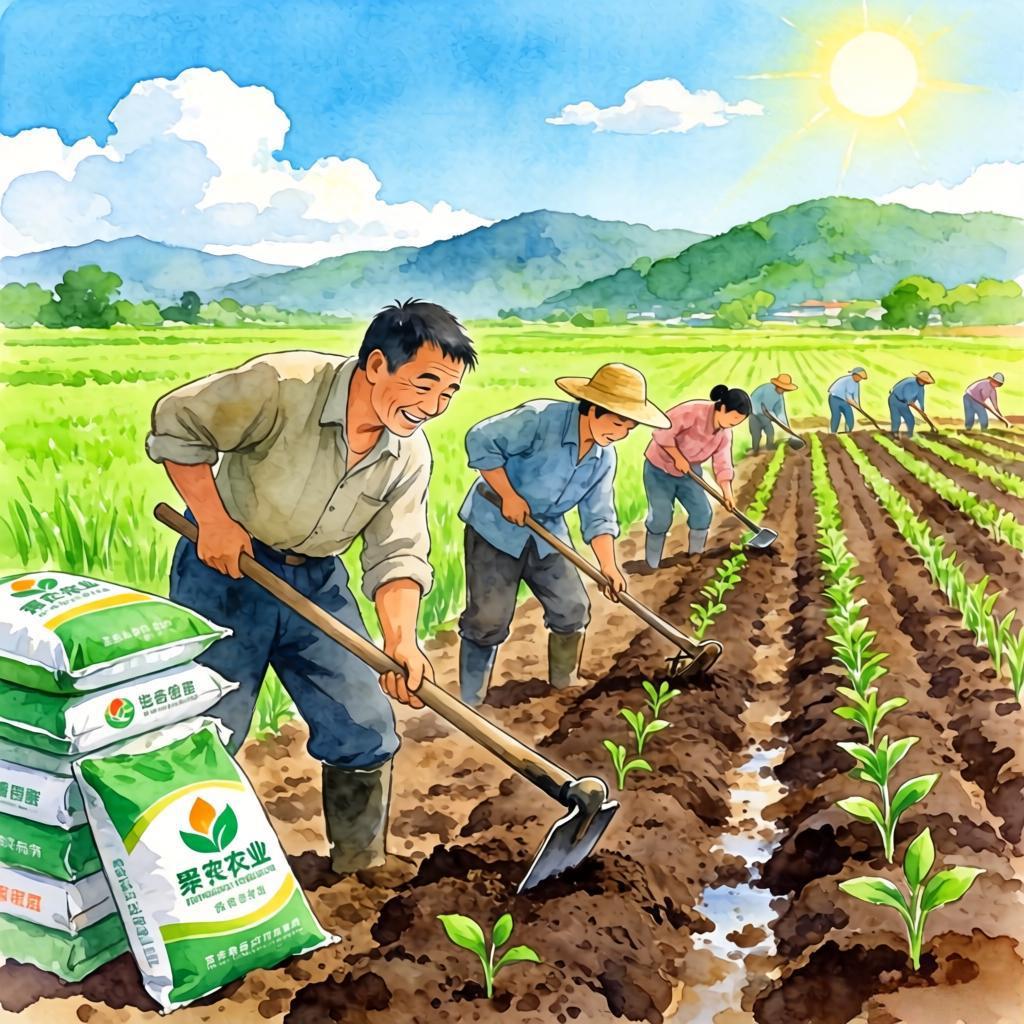
全球化肥价格暴涨,你的春耕成本为何没“爆表”?
While the global fertilizer market is reeling from supply shocks and skyrocketing prices due to Middle East turmoil, Chinese farmers have not faced the existential threat looming over their counterparts in India or Brazil. This stark contrast begs the question: how has China managed to insulate its crucial spring ploughing season from the international storm?
当中东动荡导致全球化肥供应受冲击、价格飙升之时,中国农民却并未面临印度或巴西同行们那种迫在眉睫的威胁。这种鲜明的反差引出了一个核心问题:中国是如何成功地将至关重要的春耕季与国际风暴隔离的?
答案的核心在于“自主”与“储备”。 中国是全球最大的化肥生产国和消费国,氮肥、磷肥自给率均超过100%。即便在红海航运受阻、波斯湾尿素出口受限的危机下,国内庞大的产能如同“压舱石”,确保了基础肥料的稳定供应。与此同时,国家在春耕前有计划地投放了超过1000万吨的储备化肥,直接平抑了市场波动。
The answer lies in "self-sufficiency" and "strategic reserves." As the world's largest fertilizer producer and consumer, China's self-sufficiency rates for nitrogen and phosphate fertilizers both exceed 100%. Even amid crises like Red Sea shipping disruptions and restricted urea exports from the Persian Gulf, the country's massive domestic production capacity acts as a "ballast stone," ensuring stable supply of basic fertilizers. Concurrently, the planned release of over 10 million tons of state fertilizer reserves before spring ploughing directly stabilized market fluctuations.
另一道“防火墙”是多元化的进口战略。 对于仍需进口的钾肥,中国并未将鸡蛋放在一个篮子里。除了传统的海运合同,来自俄罗斯和中亚的陆路铁路运输,以及来自老挝的基地直供,共同构成了一个韧性更强的供应链网络,有效规避了单一海运通道的风险。
Another "firewall" is a diversified import strategy. For potash, which still requires imports, China does not put all its eggs in one basket. Beyond traditional sea freight contracts, overland railway shipments from Russia and Central Asia, coupled with direct supply from production bases in Laos, together form a more resilient supply network, effectively mitigating risks associated with a single maritime route.
政策调控发挥了“稳定器”的关键作用。 中国政府通过严格的出口法检政策,优先确保了国内资源的充足。同时,对煤炭、天然气等化肥原料的保供稳价,从源头锁定了生产成本,防止了能源价格上涨的完全传导。
Policy intervention has played a crucial role as a "stabilizer." The Chinese government has prioritized securing sufficient domestic supply through strict export inspection policies. Meanwhile, measures ensuring the supply and stabilizing prices of key raw materials like coal and natural gas have locked in production costs at the source, preventing a full passthrough of energy price hikes.
因此,对于中国农民而言,感受到的更多是输入性通胀下的“成本温和上涨”,而非国际市场上的“价格爆表”。 这种上涨是可控的、区域性的,并且很大程度上被粮价支持政策、农资补贴所对冲。农民的种植积极性与预期收入并未受到根本性动摇。
Therefore, what Chinese farmers experience is more of a "moderate cost increase" due to imported inflation, rather than an "explosive price surge" seen on the international market. This increase is controllable, regional, and largely offset by grain price support policies and agricultural input subsidies. Farmers' willingness to plant and their expected income have not been fundamentally shaken.
放眼世界,中国的案例提供了一个独特的范本。 它证明了在全球化产业链受到地缘政治冲击时,一个拥有强大工业产能、战略储备体系和有效治理能力的国家,能够在相当程度上保障本国农业基底的安全与稳定。
Viewed globally, China's case presents a unique model. It demonstrates that when global industrial chains are impacted by geopolitics, a country with strong industrial capacity, strategic reserve systems, and effective governance can, to a considerable extent, safeguard the security and stability of its own agricultural foundation.
当然,这并非意味着全无挑战。 长期来看,保障粮食安全仍需在科技增效(如推广测土配方施肥、增加有机肥使用)和开拓更稳定的资源渠道上持续努力。当前的优势,是多年布局与未雨绸缪的结果。
Of course, this does not mean there are no challenges. In the long term, ensuring food security still requires continuous efforts in enhancing efficiency through technology (e.g., promoting soil testing and formulated fertilization, increasing organic fertilizer use) and developing more stable resource channels. The current advantage is the result of years of planning and preparation.
总而言之,当全球化肥危机成为头条新闻时,中国春耕的相对平静并非偶然。 它是一张由“产能基石、储备缓冲、政策调控与多元渠道”共同编织成的安全网,在动荡的世界中,为亿万农民的耕耘托住了底线。这或许是对“手中有粮,心中不慌”这一古老智慧,在现代全球化时代的最新诠释。
In conclusion, the relative calm of China's spring ploughing amid global fertilizer crisis headlines is no accident. It is a safety net woven from the threads of "production capacity, strategic reserves, policy intervention, and diversified channels," holding the line for hundreds of millions of farmers in a turbulent world. This is perhaps the latest interpretation, in the modern era of globalization, of the ancient wisdom: "With grain in hand, one need not panic."
此文由 怡心湖 编辑,若您觉得有益,欢迎分享转发!:首页 > 马·春风 » 全球化肥价格暴涨,你的春耕成本为何没“爆表”?